Hidden Stellar Mass, Optoacoustic Memory, and Ancient Landscape Surprises
This edition focuses on newly revealed low-mass stars in early galaxies, liquid-nitrogen optical fibers for energy-efficient computing, and structural explanations for Earth's deep geological gaps.
JWST Reveals Massive Hidden Stellar Populations in Early Galaxies
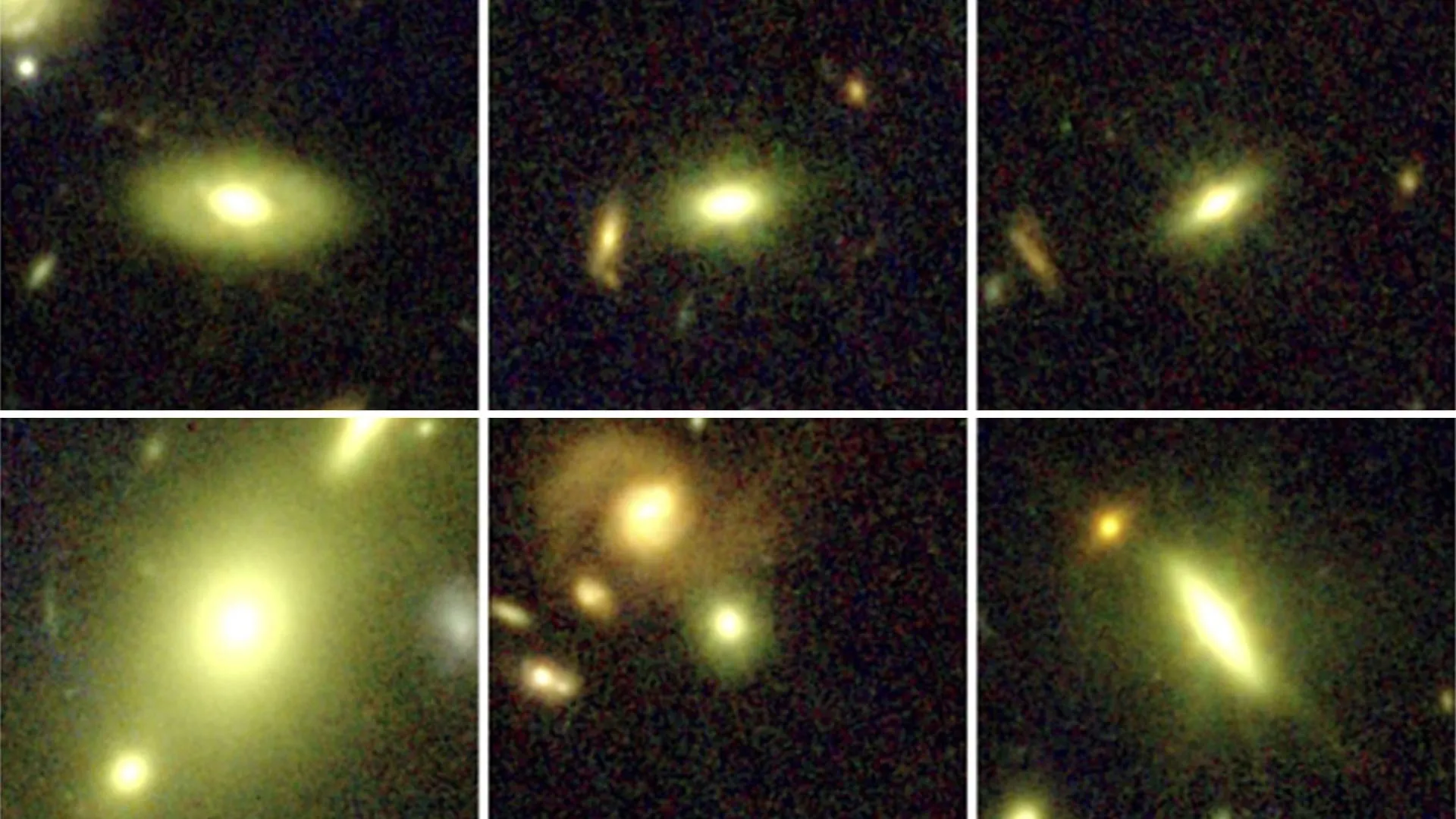
Spectroscopic data from the James Webb Space Telescope shows that ancient, quiet galaxies contain far higher concentrations of faint, low-mass stars than previously assumed. This hidden mass makes early galaxies three to four times more massive than earlier models predicted, heightening cosmological questions about rapid early galaxy assembly. It also implies that planets orbiting low-mass stars were likely widespread much earlier in cosmic history.
Astronomy · learn now
Frozen Optical Fibers Coupling Light and Sound for Photonic Memory
By freezing the liquid core of optical fibers using liquid nitrogen, physicists created an environment where light and hypersonic sound waves interact over 1,000 times more strongly than in standard fibers. The researchers leveraged this Brillouin scattering effect to store optical signals as slow acoustic waves, demonstrating an efficient optoacoustic memory mechanism. This physical platform could significantly reduce energy demands for future photonic and neuromorphic computing architectures.
Physics & Computing · learn now
Ancient Lost Mega-Cliff Explains the Grand Canyon's Missing Billion Years
New landscape and plate tectonic modeling indicates that a kilometer-high cliff system formed 800 million years ago as the supercontinent Rodinia rifted apart. Over tens of millions of years, relentless erosion along this migrating escarpment stripped away kilometers of rock, exposing the ancient basement rocks before the Colorado River carved today's canyon. The findings provide a structural explanation for the Great Unconformity, a mysterious gap spanning over a billion years of North America's rock record.
Earth Science & Geology · know the name
450-Million-Year-Old Sea Creature Fossil Preserves Rare Soft Tissue
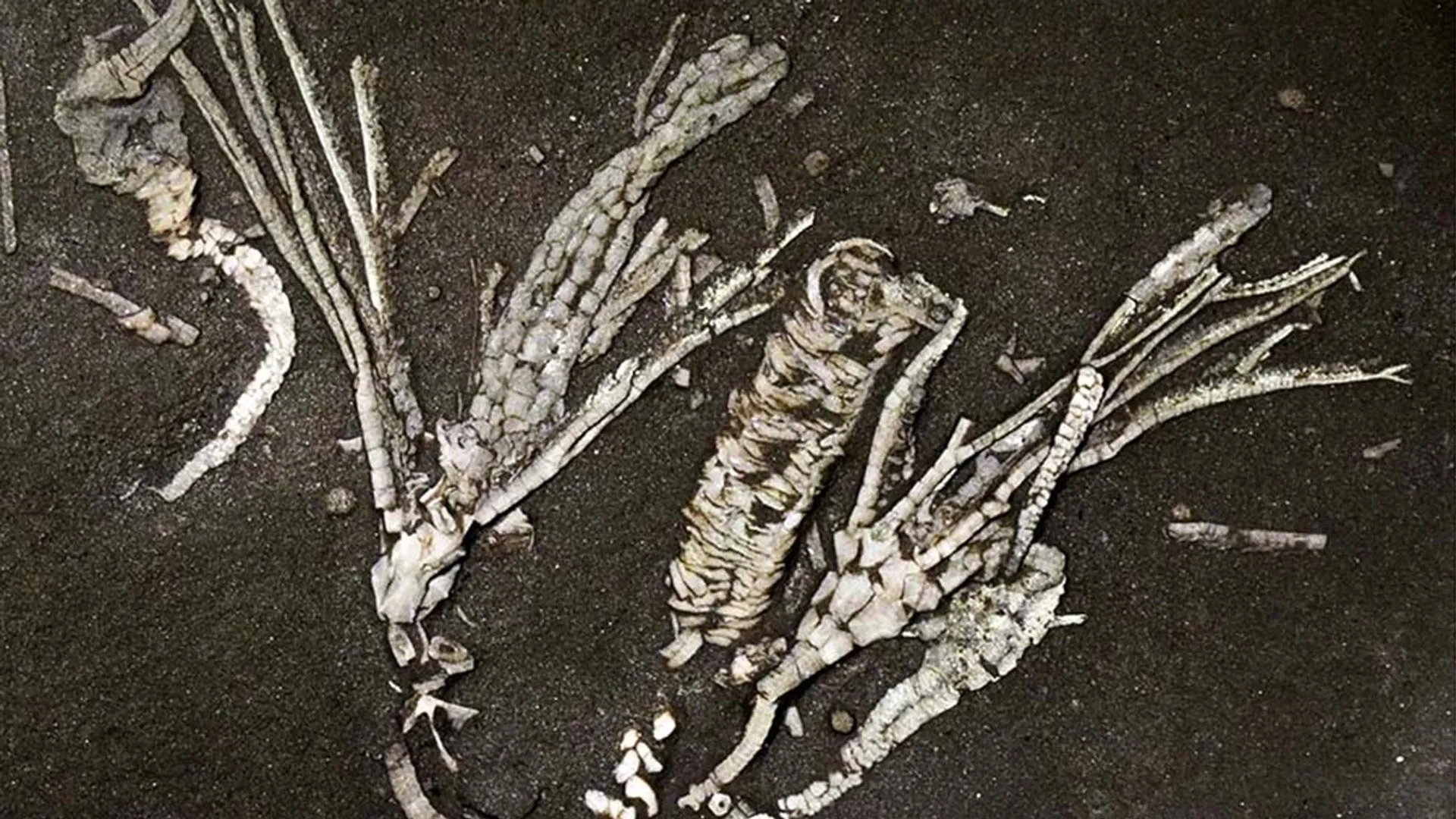
A re-examination of a museum specimen of Dendrocrinus simcoensis uncovered fossilized tube feet, making it only the second crinoid fossil ever found with preserved soft tissue and the oldest on record. Because tube feet are used for feeding and sensing water currents, their structural details offer unprecedented insight into early Paleozoic marine ecosystems. The find underscores the scientific value of long-curated museum collections in revealing evolutionary adaptations.
Paleontology · know the name
Retreating Arctic Sea Ice Triggers Rapid Cloud-Seeding Chemical Reactions
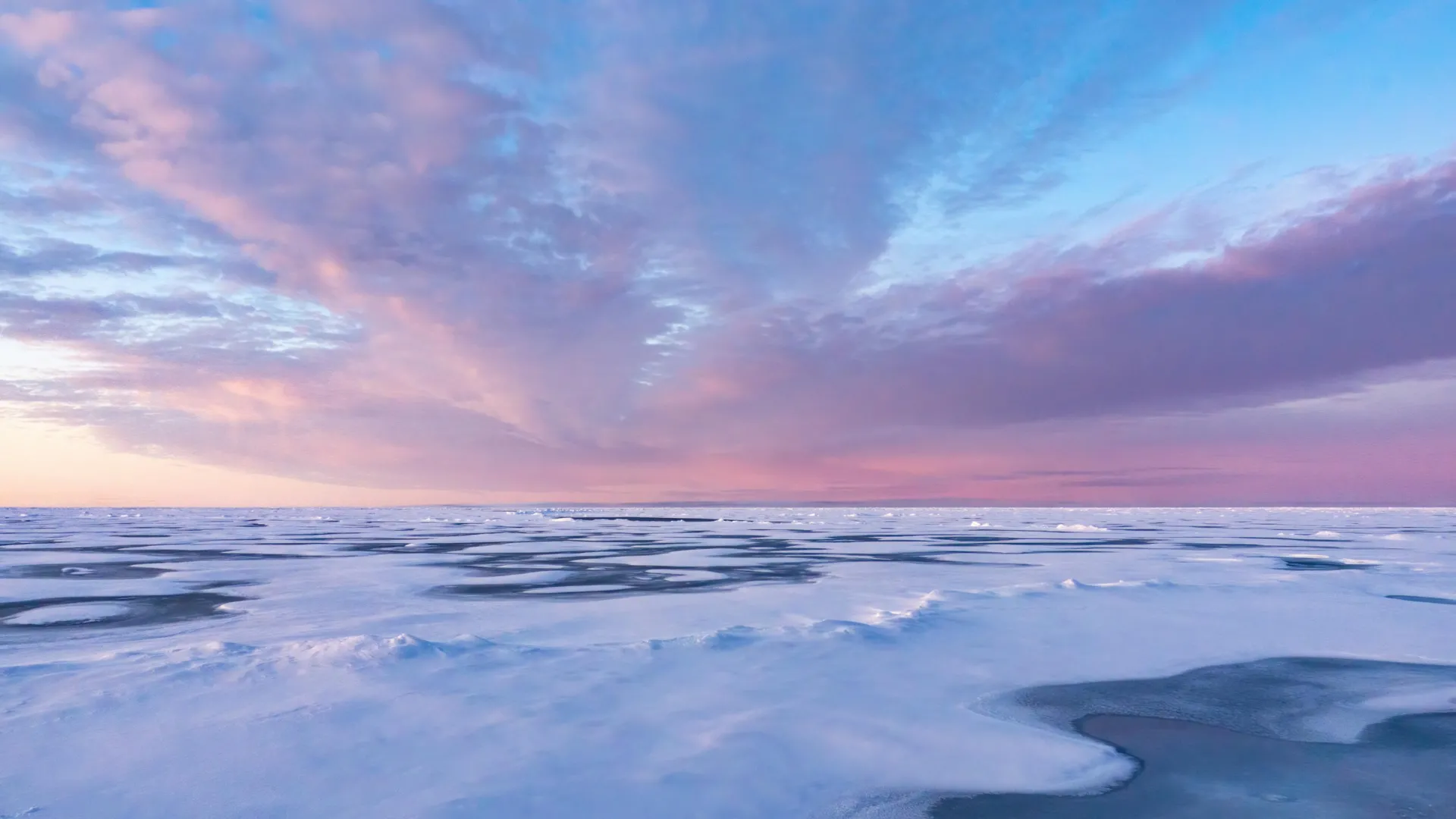
Field measurements in the Arctic show that marine emissions of iodine, sulfur, and organic compounds interact with sunlight near melting sea ice edges to boost cloud-forming particles 50-fold in a single day. As ice continues to retreat and expands these active marginal zones, this natural cloud factory will play a larger role in solar radiation reflection and regional warming. Scientists are now integrating this unmodeled chemical pathway into global climate models to refine polar forecasts.
Climate & Earth Science · just aware